What is asphalt?
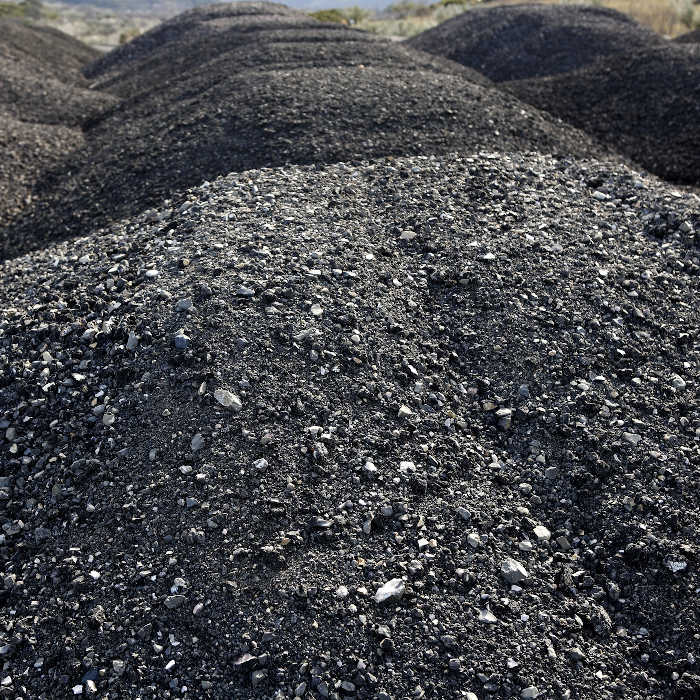
In pavement work, asphalt commonly means an engineered mixture of mineral aggregate, filler when specified, and asphalt binder. The binder is a petroleum-derived, viscoelastic material that coats and holds the aggregate together. A plant heats or otherwise processes the ingredients according to the mixture type; crews then place and compact the material to the required lift thickness and density.
The word can also mean the binder itself, so context matters. “Asphalt pavement” or “asphalt mixture” refers to the combined paving material, while “asphalt binder” refers specifically to the binding component. Asphalt is not the same as coal-tar sealer, and a surface sealcoat is not a replacement for failed pavement structure.
When planning a paving project, selecting the right asphalt mixture family is important for performance, constructability, and cost. This guide explains the main asphalt types and the project questions that separate them.
Scope: This is a concise selection guide for non-specialists. Mix names describe broad families, not project specifications. Traffic, climate, aggregate availability, drainage, and the owner’s specification determine the final design.
Hot Mix Asphalt (HMA)
Hot mix asphalt is a plant-produced family of mixtures used for roads, driveways, and parking areas. Production and placement temperatures depend on binder, plant, additives, lift, weather, and project specification; they should not be reduced to one universal range.
Key characteristics:
- Durability: Excellent for high-traffic areas
- Weather resistance: Good performance in various climates
- Installation: Requires specialized equipment and must be compacted while hot
- Cost: Moderate to high initial cost, but long-lasting
HMA is ideal for major roadways, highways, and commercial parking lots that need to withstand heavy traffic and varying weather conditions.
Warm Mix Asphalt (WMA)
Warm mix asphalt refers to technologies that allow lower production and placement temperatures than conventional HMA. FHWA reports that the reduction can vary widely by technology and project.
Key benefits:
- Energy efficiency: Requires less fuel to produce
- Environmental impact: Lower temperatures can reduce fuel use and exposure to fumes, subject to plant and project conditions
- Extended paving season: Can be applied in cooler temperatures
- Improved working conditions: Less fumes and heat exposure for workers
WMA is a great eco-friendly alternative for projects where environmental concerns are a priority.
Cold Mix Asphalt
As the name suggests, cold mix asphalt is produced at ambient temperatures using emulsified or cutback asphalt.
When to use it:
- Patching and repairs: Excellent for filling potholes
- Low-traffic areas: Suitable for driveways and minor roads
- Remote locations: Can be transported long distances without losing workability
- Winter repairs: One of the few options available for cold-weather patching
While not as durable as hot mix for major applications, cold mix is invaluable for maintenance and repair work, especially during winter months.
Porous Asphalt
Porous or permeable asphalt allows water to drain through the pavement surface into a stone reservoir underneath.
Environmental benefits:
- Stormwater management: Reduces runoff and helps replenish groundwater
- Water-quality potential: The complete porous pavement system can filter some pollutants when properly designed and maintained
- Surface-temperature potential: Performance depends on color, voids, moisture, and site conditions
- Winter behavior: Drainage can change icing behavior, but local design and maintenance remain important
Porous asphalt is ideal for parking lots, low-speed roadways, and environmentally sensitive areas where water management is important.
Stone Mastic Asphalt (SMA)
SMA is a gap-graded mix with a high proportion of coarse aggregate and stone-on-stone contact.
Advantages:
- Rutting resistance: Superior performance in high-stress areas
- Durability: Excellent longevity even under heavy loads
- Noise reduction: Typically quieter than conventional mixes
- Skid resistance: Enhanced safety in wet conditions
SMA is particularly valuable for high-traffic roads, intersections, and areas prone to heavy loads or challenging conditions.
Quick selection matrix
| Need | Candidate family | Verify before selecting |
|---|---|---|
| Conventional structural surface | Dense-graded HMA or WMA | traffic, climate, binder, lift, density |
| Lower-temperature production | WMA technology | performance equivalence, moisture, plant process |
| Local emergency pothole repair | Approved cold mix | defect depth, weather, compaction, expected duration |
| Stormwater infiltration | Porous asphalt system | soil, reservoir, overflow, pretreatment, maintenance |
| Heavy rutting demand | SMA or performance-designed dense mix | aggregate structure, binder, plant and paving capability |
HMA and WMA describe production-temperature approaches; dense-graded, SMA, and porous describe mixture structure or function. A mixture can therefore be both WMA and dense-graded. Avoid treating every label as a mutually exclusive “type.”
Which asphalt type should you use?
Selecting the right asphalt type depends on multiple factors including traffic volume, climate conditions, budget constraints, and environmental considerations. For most residential driveways, standard hot mix or warm mix asphalt provides an excellent balance of performance and cost. Commercial properties may benefit from the enhanced durability of SMA, while environmentally sensitive areas might prioritize porous asphalt for its drainage capabilities.
Always consult with a professional paving contractor who can evaluate your specific needs and recommend the most appropriate asphalt type for your project.
Sources and next steps
- FHWA Warm Mix Asphalt
- FHWA: Reclaimed Asphalt Pavement in Asphalt Mixtures
- EPA hot-mix asphalt emissions resources
Compare repair materials in Hot Mix Asphalt vs Cold Patch Asphalt, estimate patch bags with the asphalt patch calculator, or calculate paving quantity with the asphalt calculator.